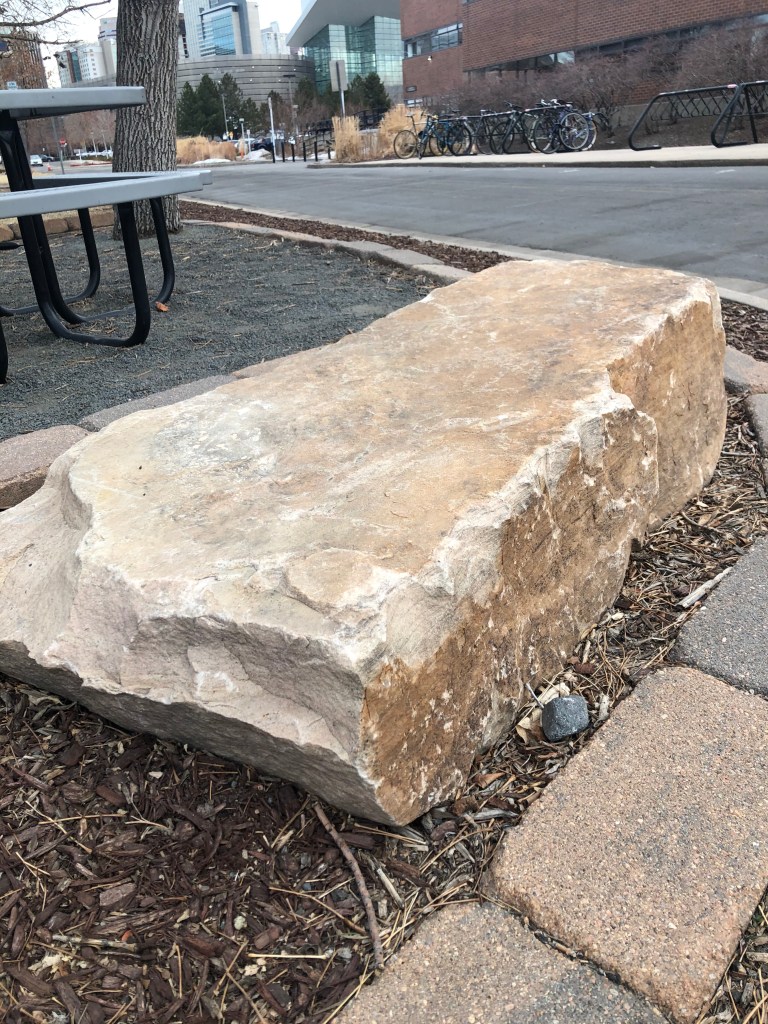
What is Design? Rhythm, Balance, and Scale (pp48-67)


It’s amazing what everyday things we see consist of design. We’ve grown accustomed to it and its a part of our everyday life without even knowing or consciously thinking about it. There are many facets to design. Paul Rand said, “design is so simple, that’s why it is so complicated.” Design is complicated! Everything that goes into it is complicating: placement, orientation, colors. If one thing is off, the whole design is off. As well as design isn’t just paper and websites, it’s also fashion, buildings, interior, exteriors. Design makes up a lot of different professions, but each profession looks at design differently. 

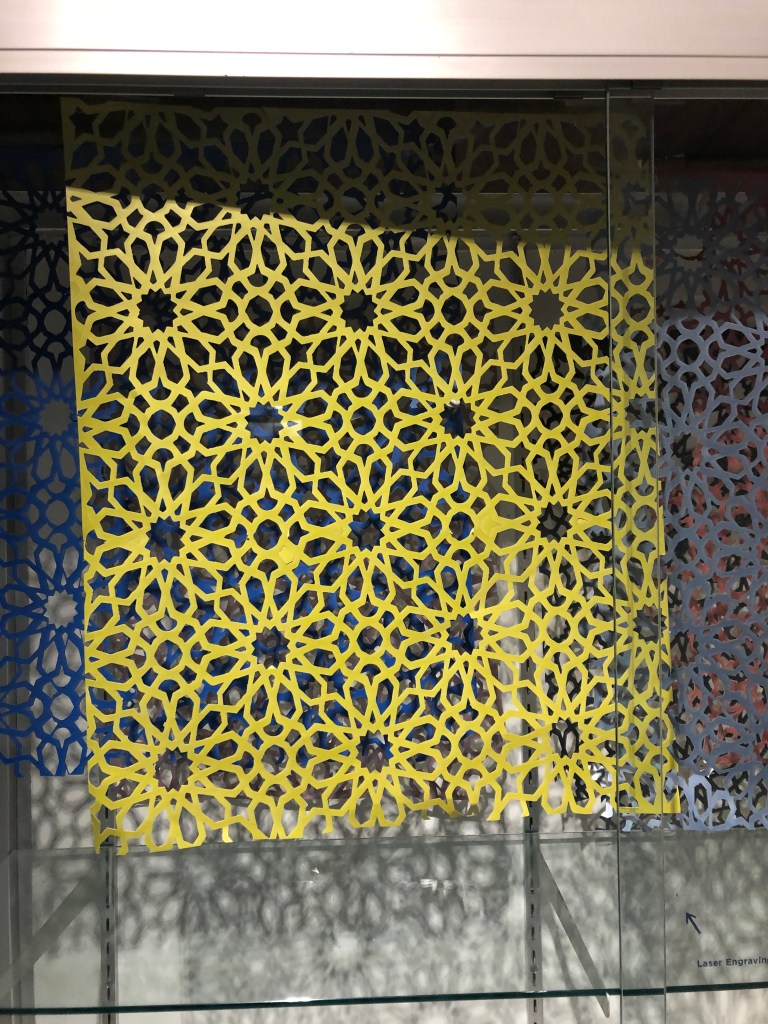
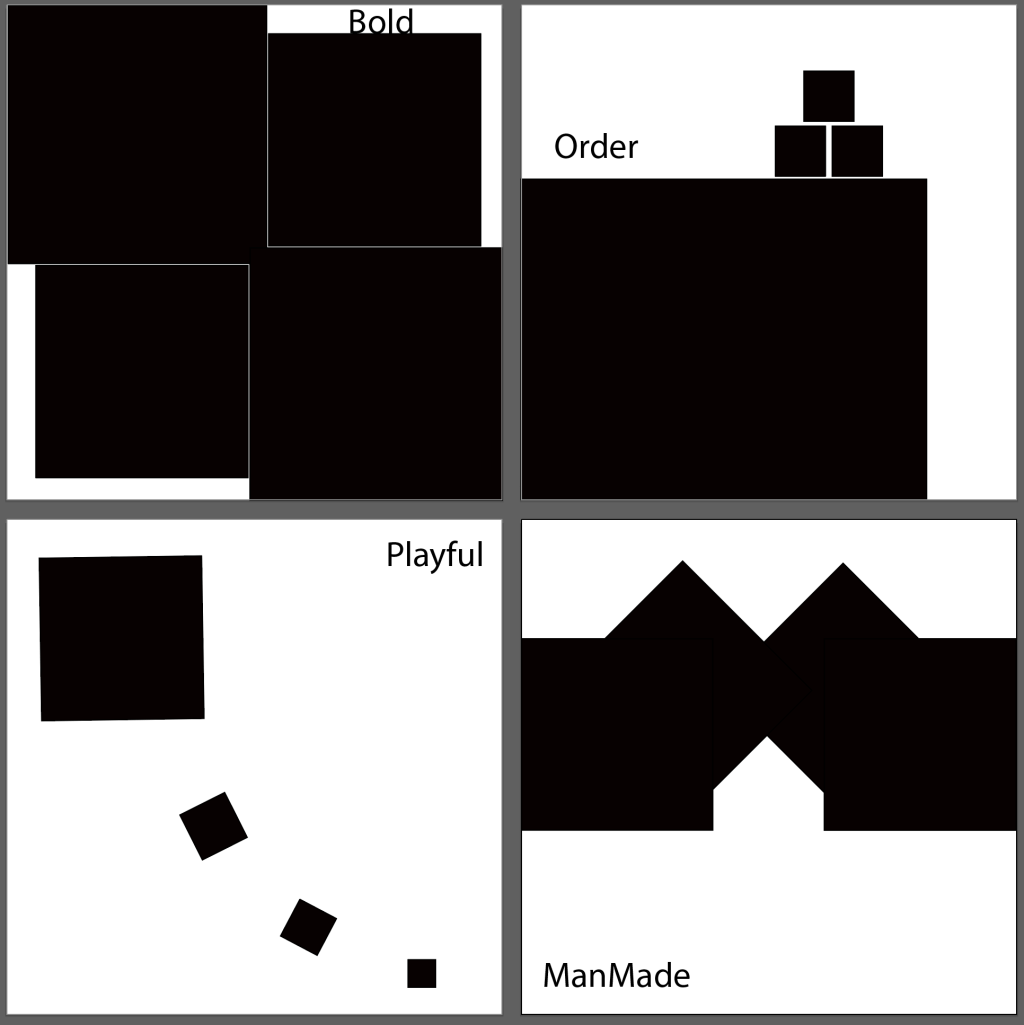
There is repetition everywhere. I enjoy repetition because it creates a sense of order even if it’s all over the board. It’s easy to look at and doesn’t make you think hard. Scale can be either objective (exact/literal) or subjective (impressionist). 

Balance in design is the relationship among elements on the page. Its about even distribution and proportionality in space. Balance can be tight or loose, static or dynamic and creates stability. We can use contrasting size, texture, color, value, and shape.

I think rhythm is a harder concept to portray. It is a strong pattern displayed across the canvas. Rhythm in music makes more sense to me than does rhythm in art. I never really thought about rhythm, so it would something that I would love to get good at because I think it creates a lot dynamism and movement which can really please the eye.

Scale can be either objective or subjective. Objective: scale of a literal object. Subjective: Ones impression of an object size. Contrast in size creates a sense of tension, depth, and movement Small receded, large moves forward.
Points/Lines/Planes (pp12-47)

Point: A point marks a position in space.

Line: A line is an infinite series of points.

Plane: a flat surface extending in height and width.

I love looking at all the pictures the book has of different letters and shapes and forms. My favorite one from this section is of the picture that shows the word “ANXIETY” written in nails. The nails themselves are lines extending from the word, like they are growing or stretching outwards.

I really enjoy creating something with asymmetry, but using balance to look visually appealing. I would like to challenge myself in this course by creating something that has asymmetrical balance. I like the exercise they did on page 43. “Designers worked with one word or a pair of words and used changes in scale as well as placement to convey the meaning of the word or word pair.” The examples are enjoyable to see because they are so creative.

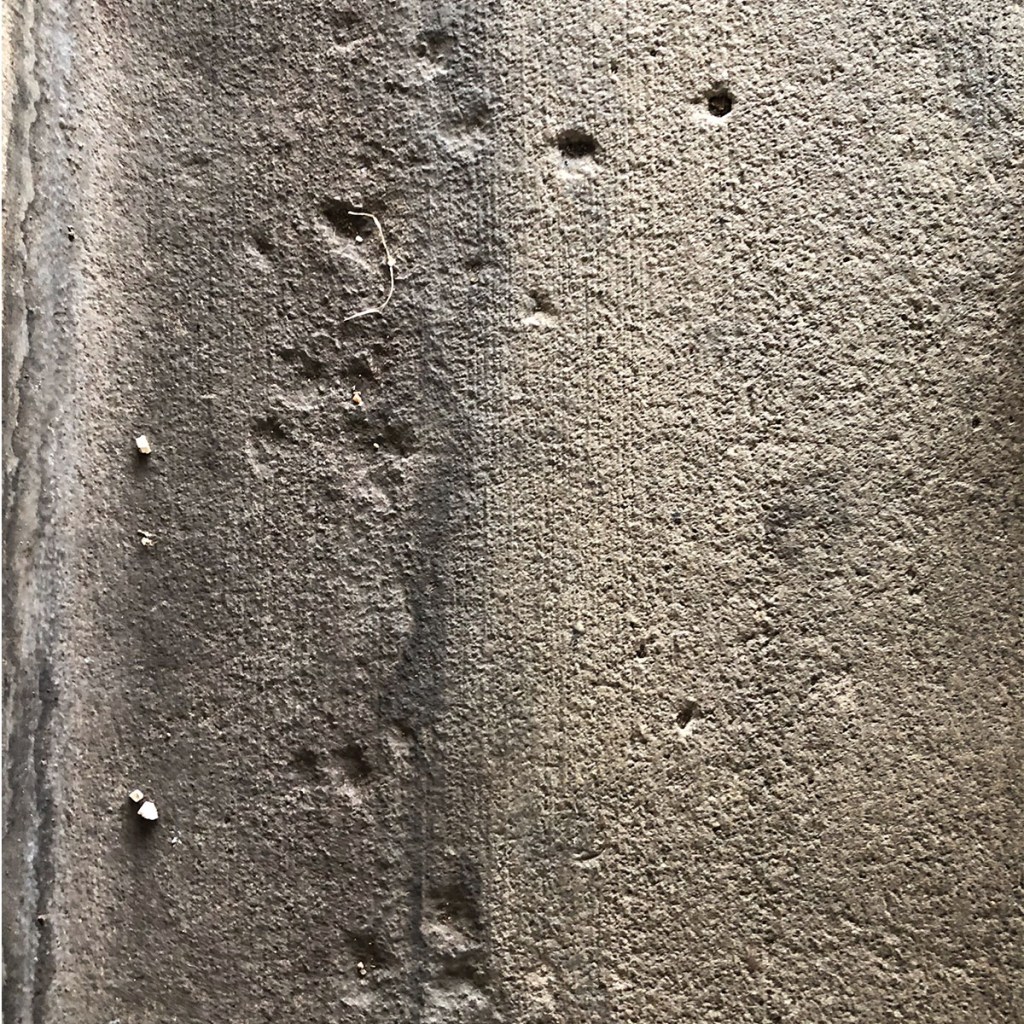
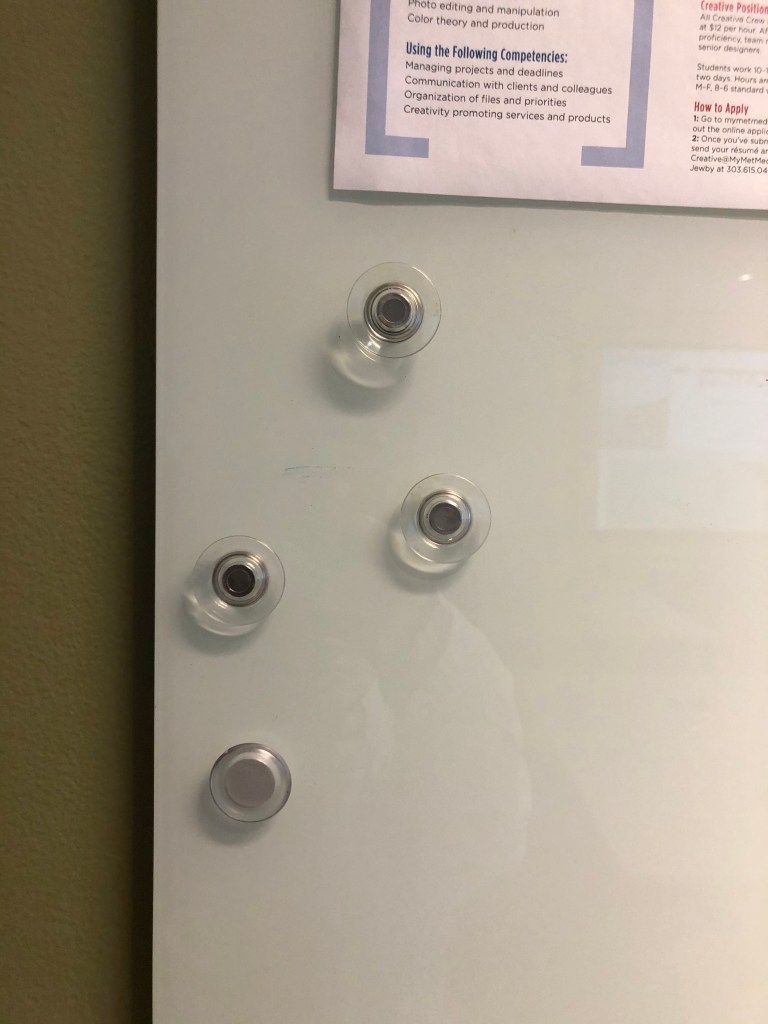
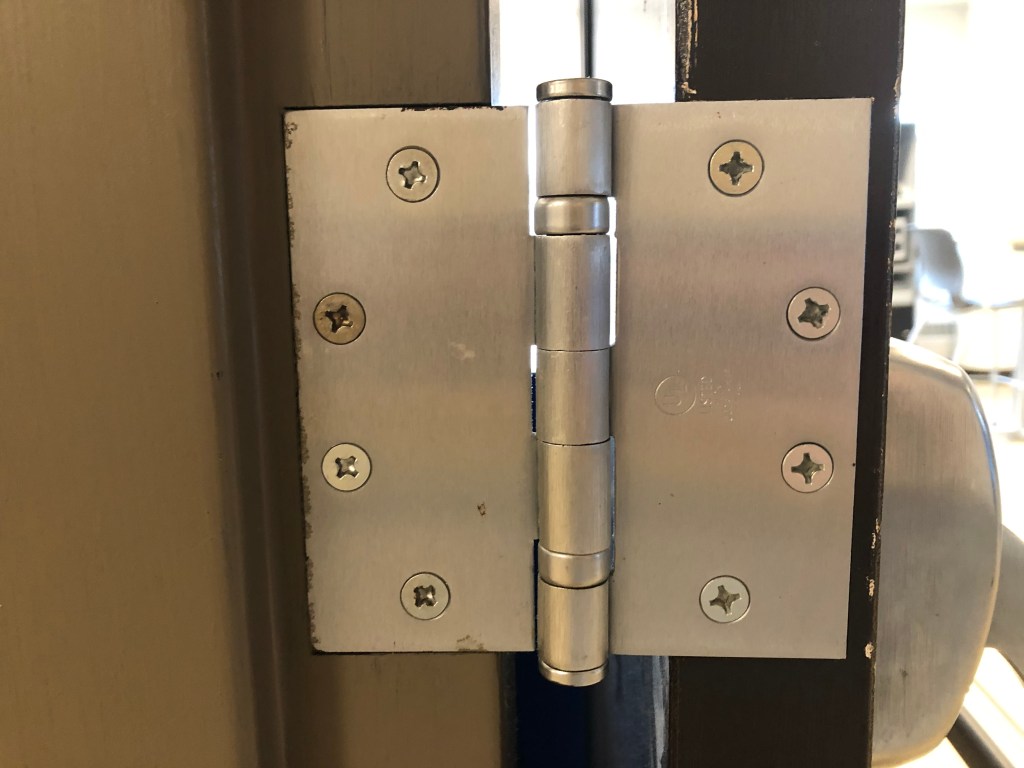
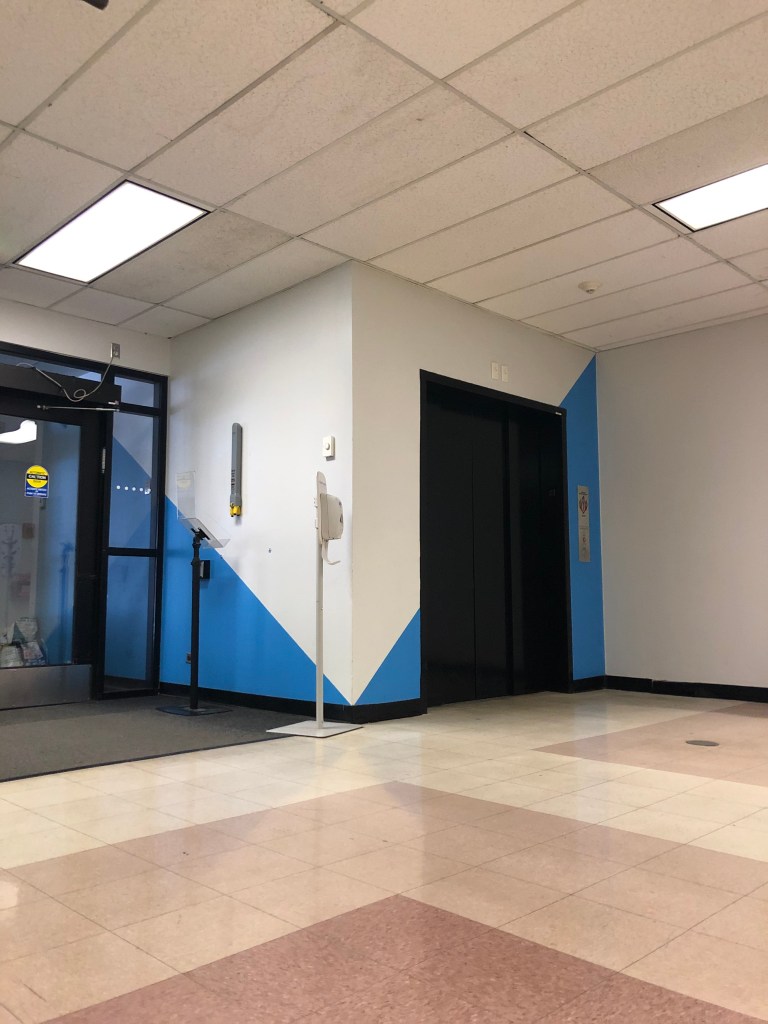
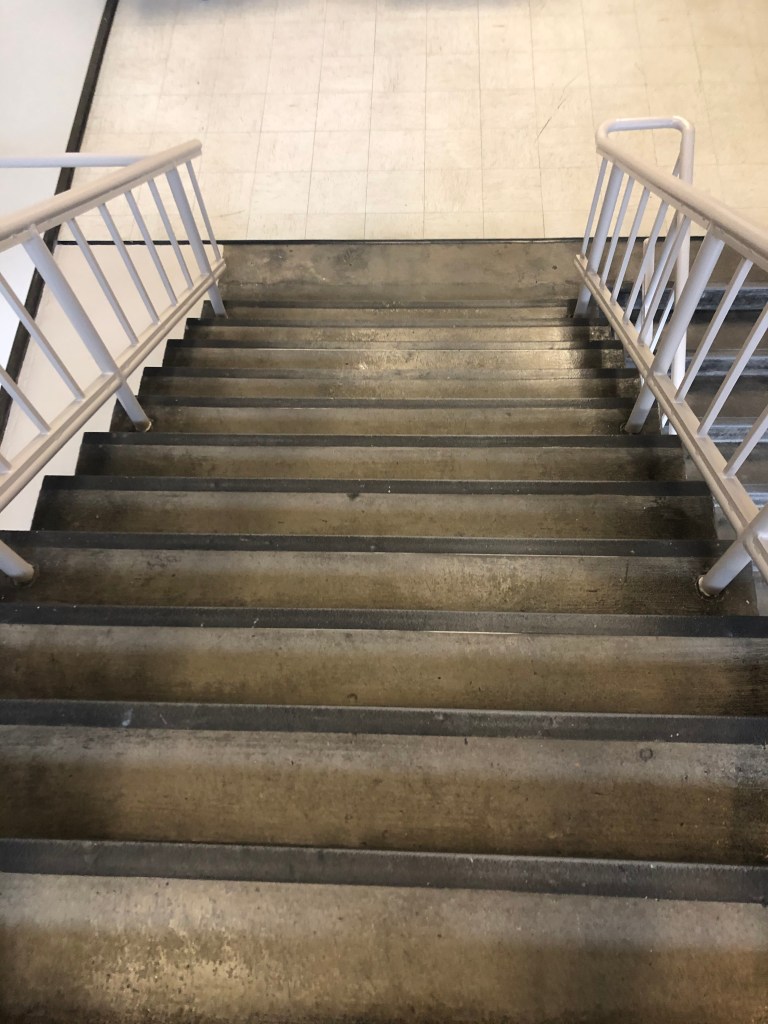
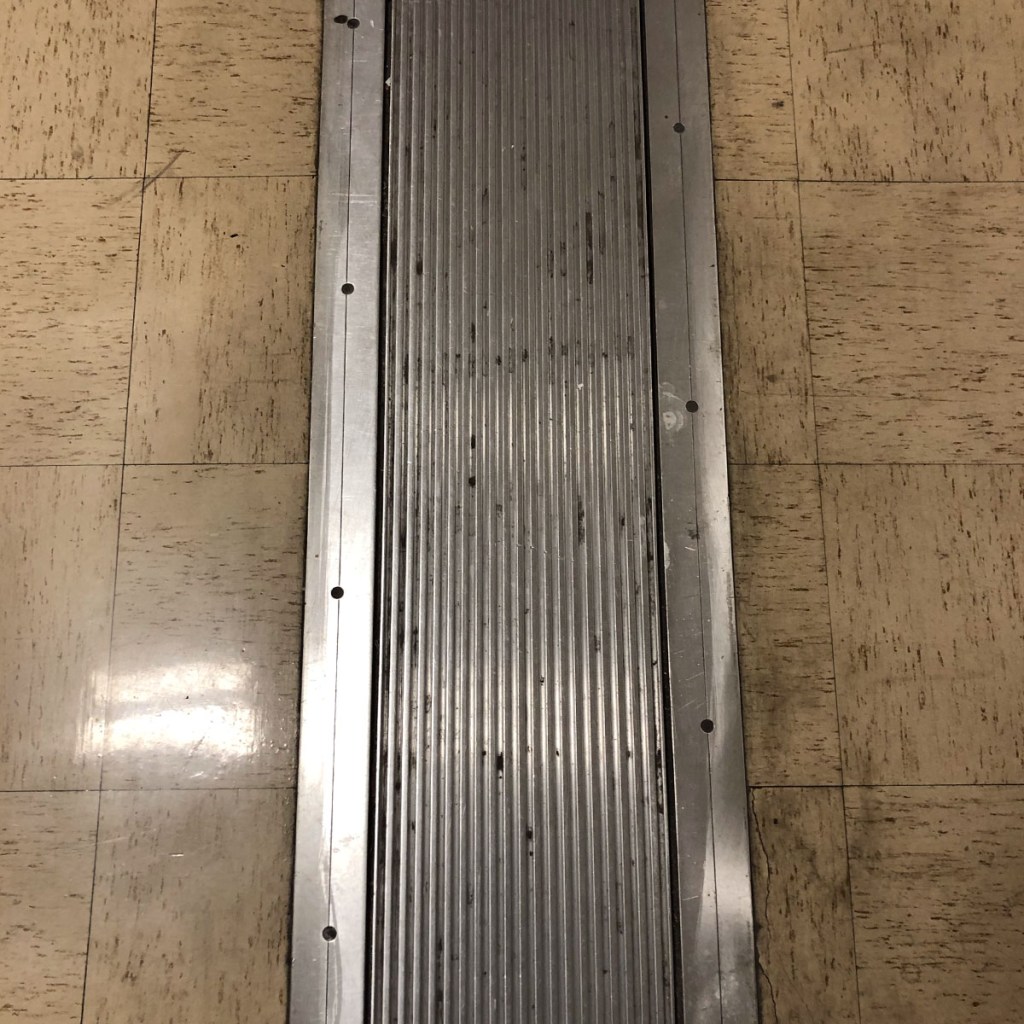
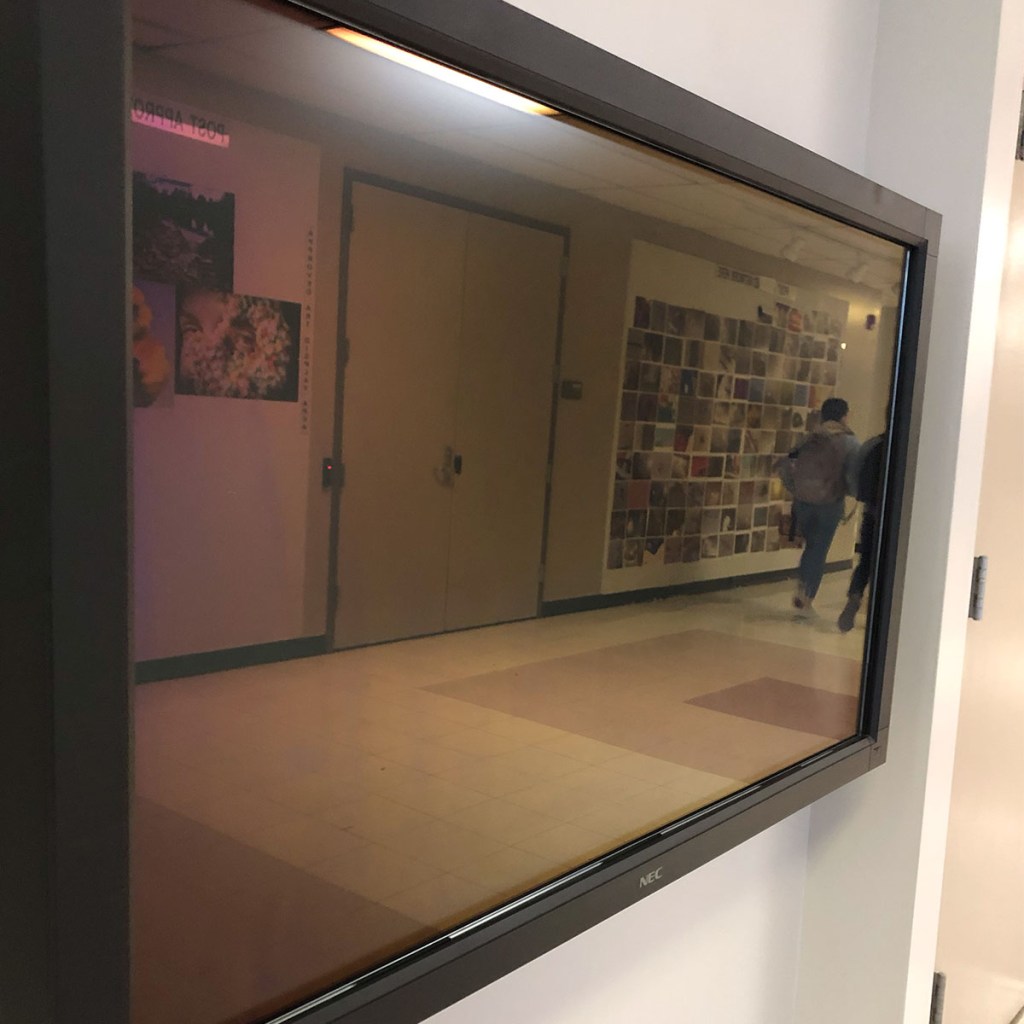
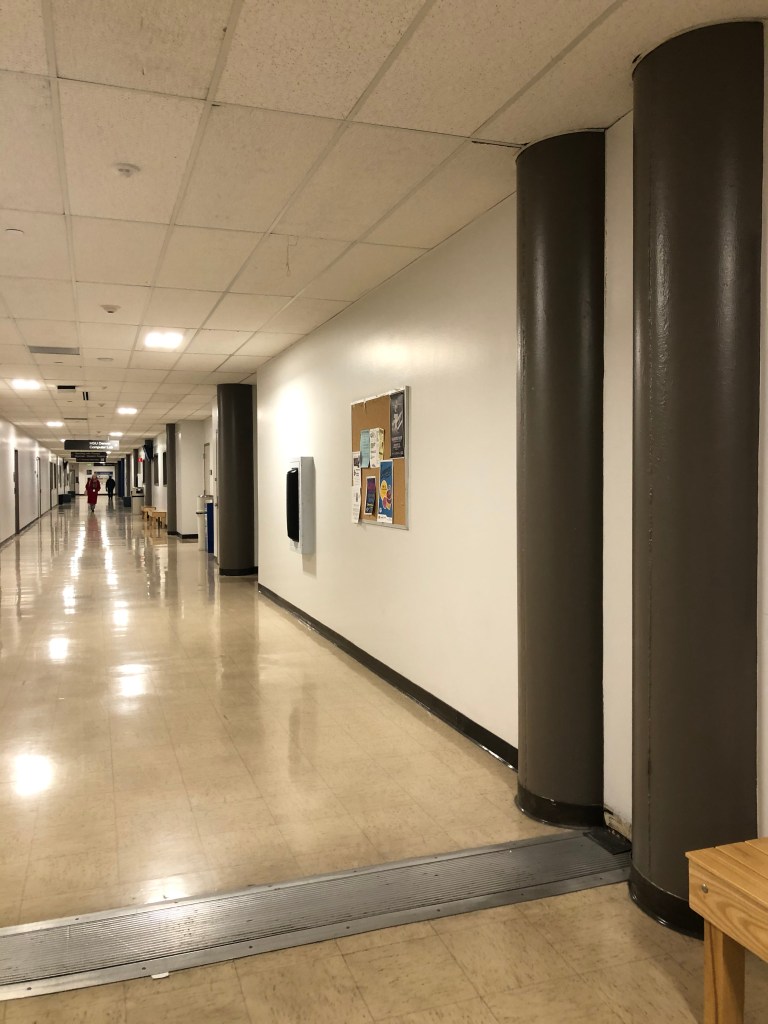
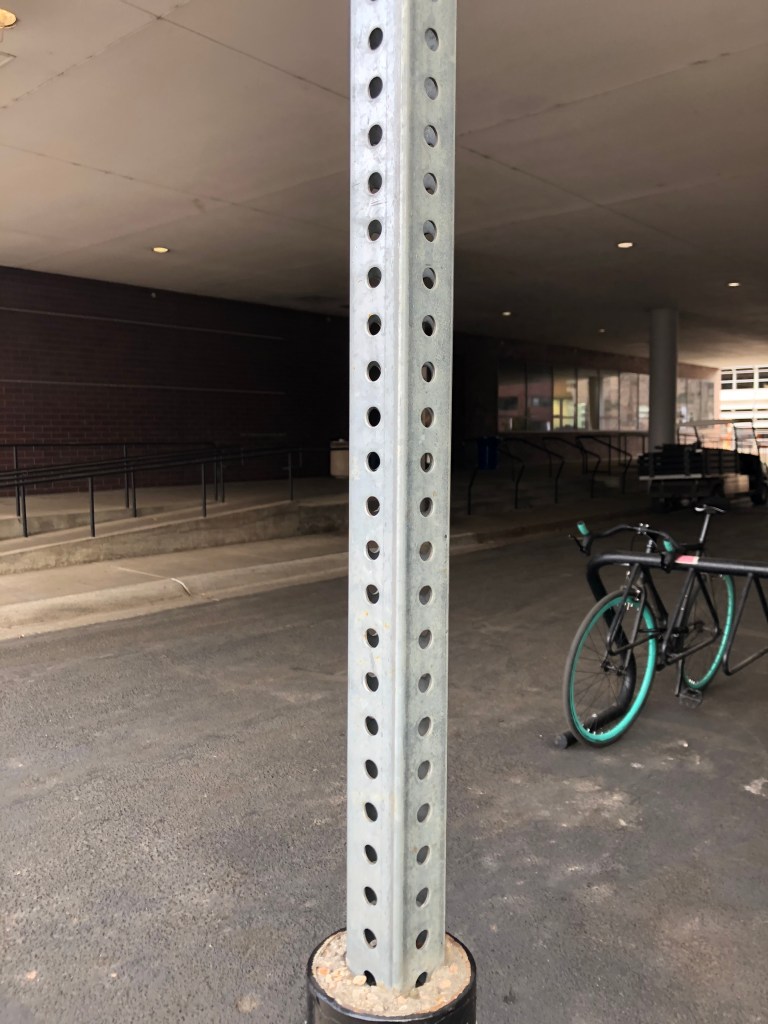
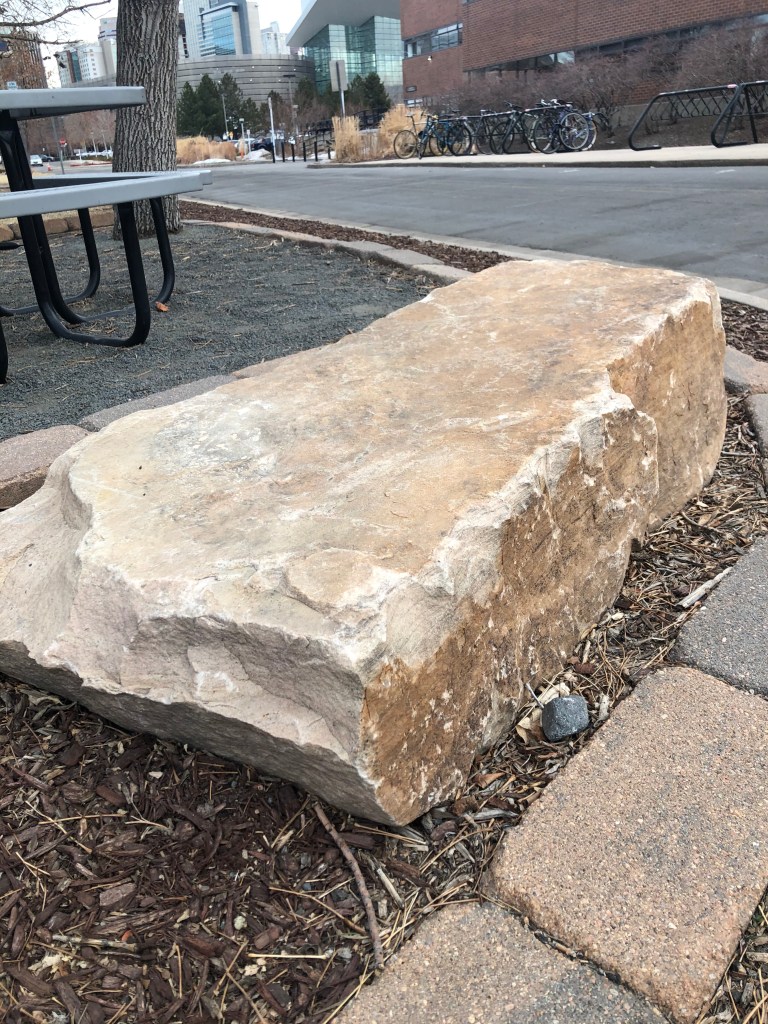
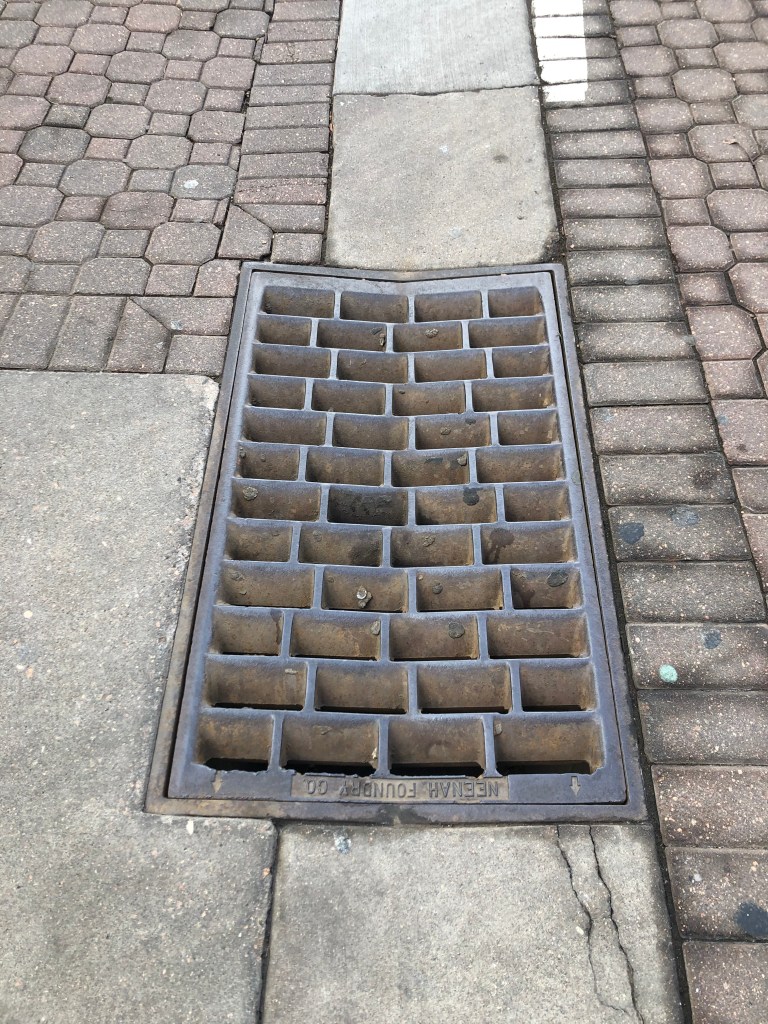
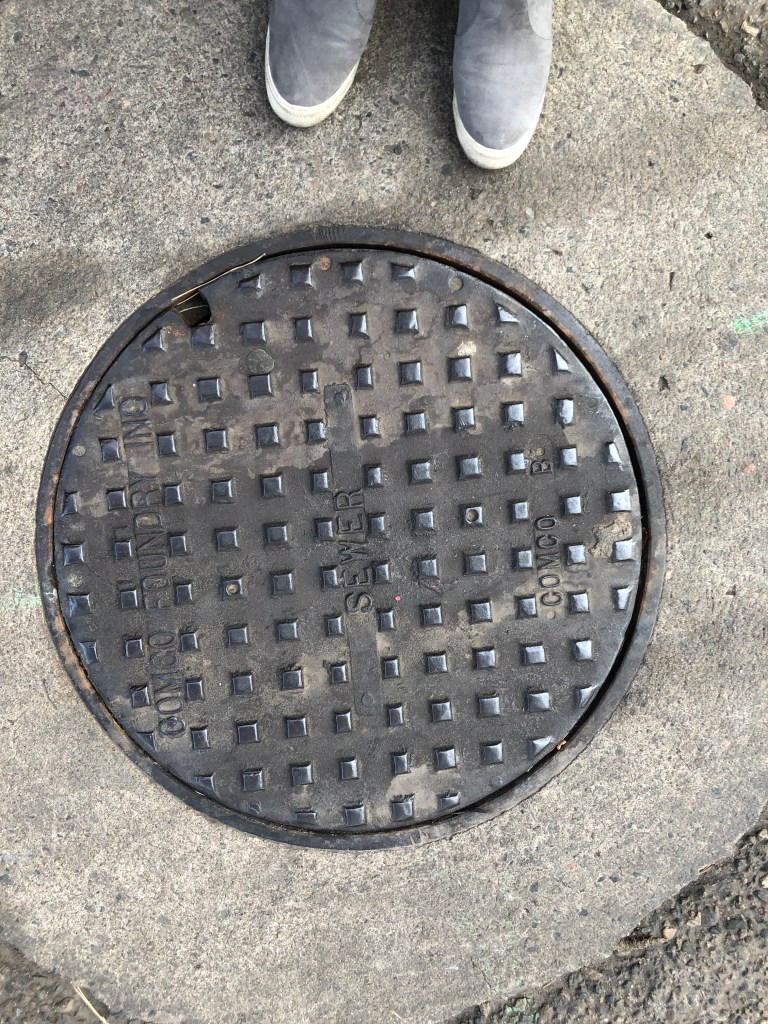
Attached are the rest of my points, lines, and planes photos.

Introduce Yourself (Example Post)

This is an example post, originally published as part of Blogging University. Enroll in one of our ten programs, and start your blog right.

You’re going to publish a post today. Don’t worry about how your blog looks. Don’t worry if you haven’t given it a name yet, or you’re feeling overwhelmed. Just click the “New Post” button, and tell us why you’re here.

Why do this?

  • Because it gives new readers context. What are you about? Why should they read your blog?
  • Because it will help you focus you own ideas about your blog and what you’d like to do with it.

The post can be short or long, a personal intro to your life or a bloggy mission statement, a manifesto for the future or a simple outline of your the types of things you hope to publish.

To help you get started, here are a few questions:

  • Why are you blogging publicly, rather than keeping a personal journal?
  • What topics do you think you’ll write about?
  • Who would you love to connect with via your blog?
  • If you blog successfully throughout the next year, what would you hope to have accomplished?

You’re not locked into any of this; one of the wonderful things about blogs is how they constantly evolve as we learn, grow, and interact with one another — but it’s good to know where and why you started, and articulating your goals may just give you a few other post ideas.

Can’t think how to get started? Just write the first thing that pops into your head. Anne Lamott, author of a book on writing we love, says that you need to give yourself permission to write a “crappy first draft”. Anne makes a great point — just start writing, and worry about editing it later.

When you’re ready to publish, give your post three to five tags that describe your blog’s focus — writing, photography, fiction, parenting, food, cars, movies, sports, whatever. These tags will help others who care about your topics find you in the Reader. Make sure one of the tags is “zerotohero,” so other new bloggers can find you, too.

Design a site like this with WordPress.com
Get started